
Essential Forex Trading Tips for Beginners 1860985922

Forex trading can be an exhilarating journey filled with potential profits, but it is also laden with risks and challenges. For beginners stepping into the realm of currency exchange, understanding the fundamental concepts and strategies is essential for success. This guide aims to provide essential Forex trading tips for beginners that can help you approach your trading journey with more knowledge and confidence. To complement your learning, consider checking out forex trading tips for beginners Latam Web Trading for more resources.
1. Understand the Forex Market
The Forex market is the largest financial market in the world, trading over $6 trillion daily. This market operates 24/5 (five days a week), allowing traders from different time zones to buy and sell currencies. Understanding how this market functions is crucial. Familiarize yourself with major currency pairs such as EUR/USD, USD/JPY, and GBP/USD, as well as minor and exotic pairs.
2. Learn Basic Terminology
Before you dive into trading, it’s important to know basic Forex terminology. Some key terms to familiarize yourself with include:
- Pip: The smallest price movement a currency pair can make.
- Spread: The difference between the bid (selling price) and the ask (buying price) of a currency pair.
- Leverage: A tool that allows traders to control a larger position with a small amount of capital.
- Lot: A standard unit of measure in Forex trading. A standard lot is typically 100,000 units of a currency.
3. Choose a Reliable Forex Broker
Your choice of broker can significantly impact your trading experience. Look for a broker that is regulated, has a good reputation, offers competitive spreads, and provides a trading platform that suits your style. Read reviews, and consider demo accounts to test the broker’s services without risking real money.
4. Use a Demo Account
Before committing real funds to trading, practice with a demo account. This allows you to simulate trading conditions, test your strategies, and become familiar with your trading platform without the pressure of losing money. Use this time to develop and refine your trading plan while gaining practical experience.
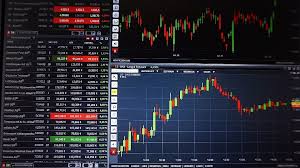
5. Develop a Trading Plan
A well-structured trading plan is essential for any trader. Your plan should include:
- Your trading goals and objectives.
- A risk management strategy.
- Entry and exit strategies.
- The tools and resources you’ll use for analysis.
Sticking to your plan helps eliminate emotional decision-making, which can lead to significant losses.
6. Master Risk Management
Effective risk management is pivotal in Forex trading. It’s recommended to never risk more than 1-2% of your trading capital on a single trade. Use stop-loss orders to limit potential losses and take-profit orders to secure your gains. Diversifying your trades and leveraging positions carefully can also help manage risk.
7. Learn Technical and Fundamental Analysis
Successful traders often utilize both technical and fundamental analysis to inform their trading decisions. Technical analysis involves studying historical price charts and indicators to predict future price movements. Fundamental analysis, on the other hand, considers economic indicators, news events, and geopolitical factors that affect currency values.
8. Stay Updated on Market News
The Forex market is influenced by economic events and news releases. Economic indicators like interest rates, employment data, and inflation reports can cause price fluctuations. Follow reliable financial news sources and consider an economic calendar to track upcoming releases that may impact the market.

9. Be Disciplined and Patient
Discipline and patience are key traits of a successful Forex trader. Avoid chasing losses or overtrading to make up for bad decisions. Stick to your trading plan, follow your risk management rules, and wait for the right opportunities to arise. Remember, trading is not a get-rich-quick scheme; it requires time and dedication.
10. Keep a Trading Journal
Maintaining a trading journal can help you analyze your trades over time. Document your entry and exit points, the reasoning behind your trades, your feelings during the trade, and the outcome. Reviewing your journal regularly can help you identify patterns in your trading and improve your strategy.
11. Understand Your Emotional Response
Forex trading can invoke a wide range of emotions, from excitement and fear to greed and frustration. Recognizing and managing your emotional responses is crucial. Develop techniques to remain calm and logical, such as taking breaks, practicing mindfulness, or using visual aids to remind yourself of your trading plan.
12. Continuously Educate Yourself
The Forex market is ever-evolving, which means strategies that worked in the past may not work in the future. Dedicate time to continuous education through online courses, webinars, books, and forums. Engaging with the trading community can also provide valuable insights and foster a supportive environment.
Conclusion
Forex trading can be a rewarding career or hobby when approached with knowledge and diligence. By implementing these Forex trading tips for beginners, you can enhance your understanding and skills, significantly improving your chances of success in the market. Always remember to trade responsibly, and best of luck on your Forex trading journey!